

Still Behind Closed Doors: What the WDFW Investigation Means for the Rest of Us A while back I wrote a piece called Behind Closed Doors: Why Transparency Matters in Washington’s Wildlife Policy. At the time, I was writing about a situation that was still unfolding, an investigation that had been ordered but not yet concluded, and a question that hung in the air over every hunter and angler in this state: what exactly has been going on inside the Washington Fish and Wildlife Commission? Now we know and it’s pretty much what we figured. If you haven’t been following the WDFW news, let’s recap a bit; It started with a vote in November 2022. The Fish and Wildlife Commission decided to end recreational spring black bear hunting in Washington. A lot of hunters were frustrated by that decision, and not just because they disagreed with it. They were frustrated because it didn’t make sense and they felt like the outcome had been decided before anyone walked into the room. The Sportsmen’s Alliance had the same feeling, and instead of just shaking their heads about it, they went and got the receipts. After a lengthy legal battle, they obtained thousands of commissioner emails, texts, and communications. What they found was enough to petition Governor Ferguson to remove four commissioners: Barbara Baker, Lorna Smith, Melanie Rowland, and John Lehmkuhl. What happened next says a lot about how far this had gone. Kelly Susewind, the Director of WDFW, went to Governor Ferguson and asked him to investigate the commission. The same commission that Susewind answers to. The same commission that has the authority to remove him from his job. That is not a small thing. When the director of an agency feels compelled to ask the governor to investigate his own bosses, something has gone seriously wrong. Ferguson ordered an independent investigation. Fourteen months and nearly $80,000 in taxpayer money later, the report landed on July 31st, 2026. The findings confirmed what the Sportsmen’s Alliance had been saying all along. Commissioners routinely ignored public records laws. They held illegal back-channel meetings outside of public sessions to align votes before anyone in the public had a chance to weigh in. They coordinated privately and repeatedly with outside advocacy groups that were actively suing the department. The Washington State Standard, the Spokesman Review, and NW Sportsman Magazine all covered the findings. The Sportsmen’s Alliance published the full report. (Read it. It is worth your time). And then there is the Hatchery Coalition. The Lummi Nation, Upper Skagit Indian Tribe, Tulalip Tribes, Squaxin Island Tribe, Puget Sound Anglers, and Ilwaco Charter Association wrote a letter to Governor Ferguson back in April, long before the investigation report was released. They were not writing about public records violations. They were writing about something more personal. The Coalition described firsthand experiences of dismissiveness toward Tribal perspectives, resistance to government-to-government engagement, and a lack of respect for Treaty rights and co-management responsibilities from Commissioners Ragen and Rowland. They noted documented incidents of unprofessional conduct, including dismissive remarks directed toward Tribal representatives. The letter, shared publicly by the Conservation Coalition of Washington, makes clear that the concerns about this commission go far beyond a policy disagreement between hunters and conservationists. When the tribes are sending letters to the governor, that tells you something. Now that you’re caught up, here is where it sits today: The report is out. The wrongdoing is confirmed. The Sportsmen’s Alliance has sent a formal demand letter to Governor Ferguson calling for the immediate removal of all four commissioners. Three of the four have terms that expire at the end of 2026. Governor Ferguson has not yet publicly stated what he intends to do. And here is the part that should get your attention: right now, as of this writing today, WDFW is holding public meetings and accepting comments on proposed hunting and fishing regulations for the next three years. The comment period runs through August 30th. These are the rules that will govern your deer season, your waterfowl season, your upland bird season for 2027 through 2029. And the four commissioners at the center of all of this are still on the commission. I am not going to tell you how to feel about that. You are all adults and you can draw your own conclusions. But I will ask the question out loud that I think a lot of us are already asking quietly: how do we trust that the decisions coming out of this commission right now are being made on the merits? How do we know that the public comments being submitted by thousands of Washington hunters and anglers are actually going to matter when we have a documented pattern of outcomes being shaped before the public ever got a seat at the table? Those are not rhetorical questions. They deserve real answers from the people in positions of authority. And they deserve our attention. The INWC has been fighting for the rights of hunters, anglers, and wildlife in this region since 1951. We have sent representatives to WDFW commission meetings. We have stood up when it counted. That is not going to stop. This community has a long memory and a longer tradition of showing up when the land and the people who love it need a voice at the table. Submit your public comments before August 30th. Read the report. Follow the Citizens Conservation of Washington for updates. And stay engaged. This story is not over. Sources and Further Reading
Tag Archives: #fishing
Conservation Corner
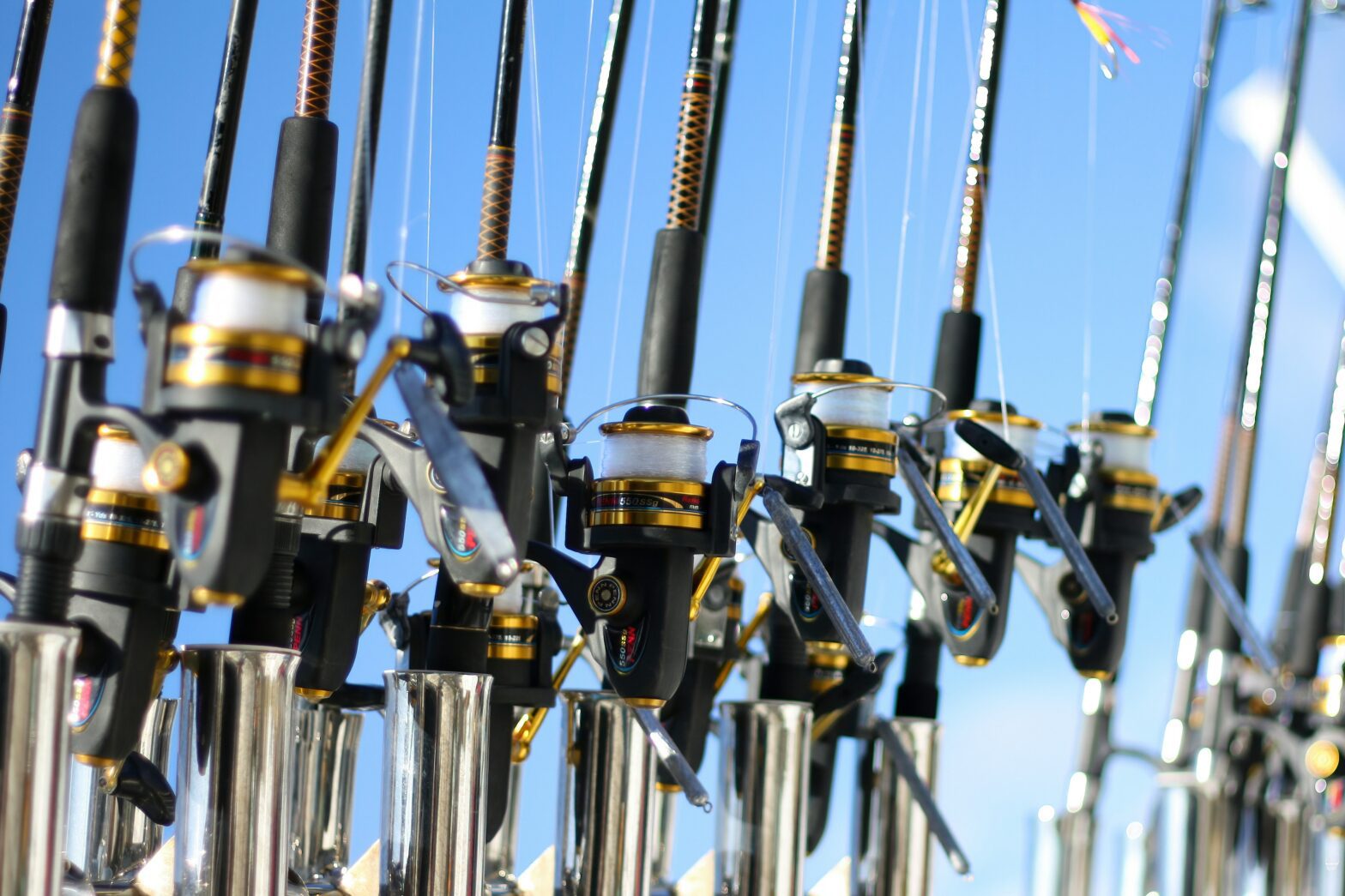
This Conservation Corner article is written by INWC member Ken McNaughton, M.F., who chairs our Fishing Committee. Ken shares an important conservation practice that many anglers may not be aware of—one that can make a significant difference for wildlife and our aquatic environments with just a small change in how we dispose of used fishing line. Recycling Fishing Line is Conservation The first thing to know about recycling old line is the fishing line types that can be collected. The only recyclable and, therefore, the most eco-friendly fishing line is a single-filament, nylon product like monofilament or fluorocarbon—even if it’s colored fishing line. Monofilament is a strong, single-strand plastic line—and the most common type among anglers. Fluorocarbon is a single strand of polyvinylidene fluoride. In a landfill, these types of lines won’t break down over time, so they can pose problems for birds and animals who get tied up in them. That’s why it’s great that they can be recycled. Other lines, like braided or fused types, can’t be recycled, but there are still ways to handle these discarded lines to minimize their impact on the environment. Finding a Collection Station Once you know that your line can be recycled, it’s important to understand that you can’t place it in your home recycling bin. Instead, you need to find a designated collection station. In cooperation with the Region 1 office of WDFW, the INWC, several years ago, installed 39 monofilament recycle stations at 31 area lakes managed by WDFW. Many INWC volunteers helped make this project a success. If you don’t know where to find one, contact the Area Water Access Manager at WDFW. Or check popular places that accept old line in marked bins placed either inside or outside, including bait and tackle shops, boat ramps, fishing piers, and fishing access points. Preparing Your Line for Recycling Keep in mind that only the line itself can be recycled. That means you have to remove any hooks or lures before you place the line in a bin. It’s also essential to make sure the line doesn’t have a lot of plant material or other growth on it before putting it in a collection facility. Create Your Own Collection Site If you don’t have a collection site anywhere near you for old fishing line, you can create your own! You can build a bin just like the ones at our established stations with 4 inch PVC and supplies from your local hardware store. Recycling fishing line is one of those simple conservation actions that carries tremendous importance. Discarded monofilament and fluorocarbon lines can persist in the environment for hundreds of years, entangling birds, mammals, and aquatic life with devastating consequences. By taking a few extra moments to properly dispose of old fishing line at designated recycling stations, anglers directly protect the wildlife and natural spaces we all cherish. Through the INWC’s partnership with WDFW, we’ve made it easier than ever for our fishing community to be part of the solution. Every spool of recycled line represents countless animals spared from injury or death—making this truly one of the most impactful conservation practices any angler can adopt.
INWC Monthly Meeting – National Hunting & Fishing Day
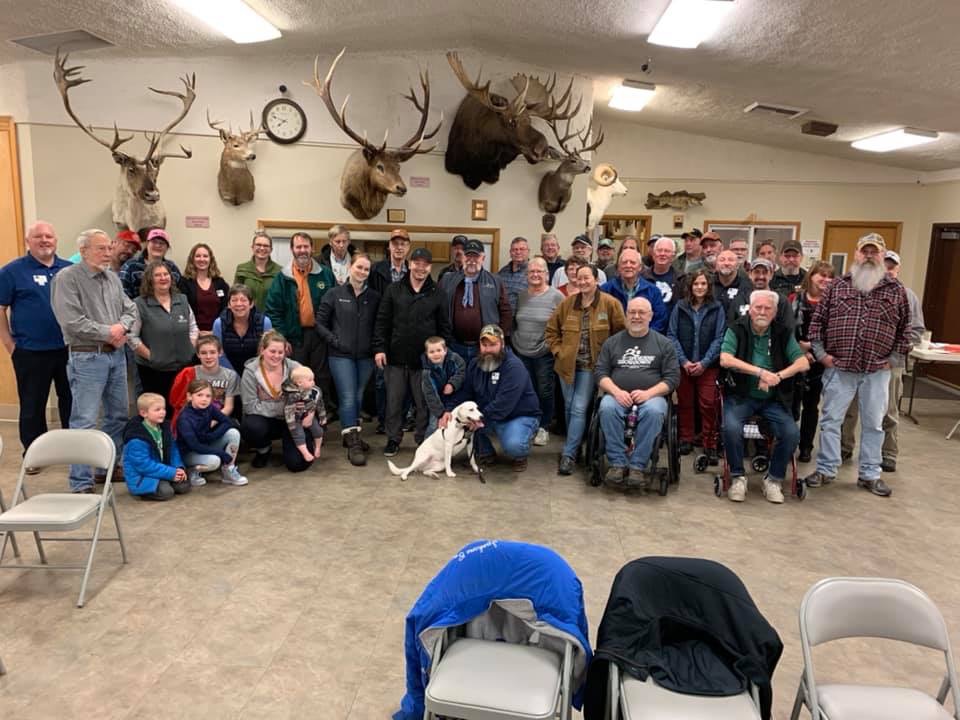
We will have a presentation by Steven Dazey on the upcoming National Hunting and Fishing Day. Join us as we learn about how we can get involved and how kids can participate. Click the link below for more information. 2023_NHFD_poster_8.5×11 We will also have an INWC volunteer presentation, committee updates and drawings for in-person attendees. Doors open at 6:30, meeting begins at 7:00. **This will be a hybrid meeting if you cannot join us in person you can view the meeting online by clicking HERE
INWC Monthly Meeting – Pike Minnow Reward Program
Our program for the May General Meeting will be presented by John Hone, of WDFW Fisheries Division, where he will present information on the history and science behind the Pike Minnow Reward Program, and how to catch them. Doors open at 6:30, meeting begins at 7:00.
INWC Monthly Meeting – Kalispel Natural Resources & Arrow Lakes Caribou Society
We will have a presentation by Kalispel Natural Resources & the Arrow Lakes Caribou Society. Join us as we learn about the efforts under way to help stabilize and recover the Selkirk Caribou herds. There will also be an appetizer potluck, prize raffles (in person attendees only), and BHS updates. Please consider bringing an appetizer to share. Doors open at 6:30, meeting begins at 7:00. **This will be a hybrid meeting if you cannot join us in person you can view the meeting online by clicking HERE
Spokane Kid’s Fishing Day *Volunteers Needed*
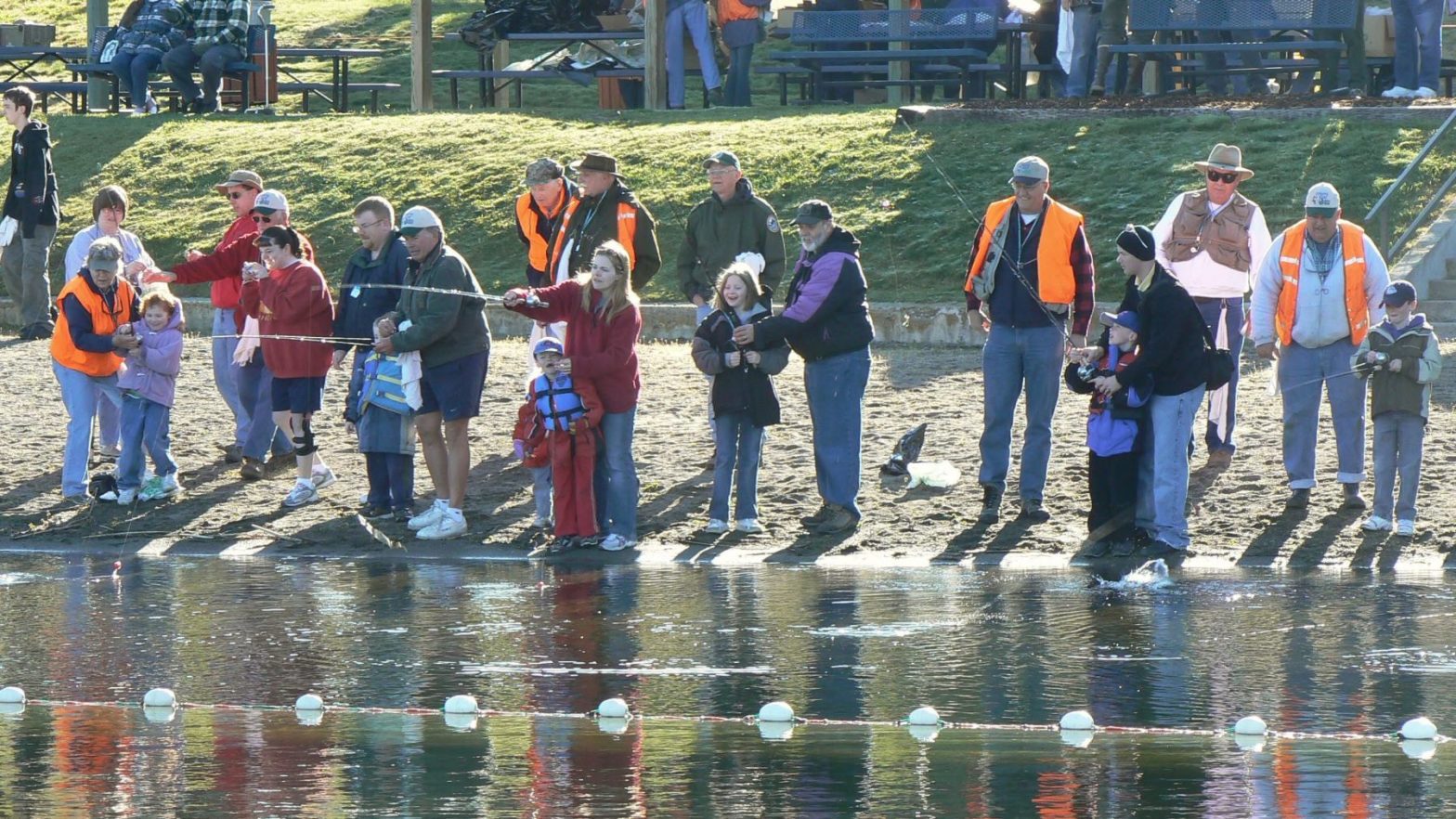
Saturday May 6th, 2023 at Clear Lake (South of City of Medical Lake, in southwest Spokane County) Fairchild Air Force Base Recreation Area Sponsored by: Inland Northwest Wildlife Council Washington Department of Fish and Wildlife and other fine sponsors LIMITED TO FIRST 950 SIGN-UPS Each kid receives: “Kids Fishing” T-Shirt and other gear The chance to catch a 3-fish limit of trout Cost: $10 per child Age: 5-14 Years For more information go to: https://wdfw.wa.gov/fishing/contests/youth.html REGISTRATIONS NEED TO BE POSTMARKED BY: APRIL 21st, 2023 2023-clear-lake-kids-fishing-event-registration-form-0
*Volunteers Needed* Spokane Kid’s Fishing Rod Assembly
Come one, come all – for fishing rod assembly night. Kids Fishing Day is coming up soon (May 6th), and we will need all volunteers ready to go. So, Thursday evening, April 20th, in the Council Hall – bring friends
ADA Open House
The Inland Northwest Wildlife Council, and its Disabled Access Team of Ken McNaughton and Ron Zubrick, invites you to join them for a day filled with information for those who have disabilities that create barriers, but still want to enjoy the great outdoors and all it has to offer. You will gain information on new disabled hunter access permit regulations, hear about existing local programs, assistive devices available for disabled sportsmen and locations provided for disabled sportsmen. With many area citizens having barriers that prevent them from fully enjoying our opportunities to hunt, fish, observe wildlife, or enjoy the outdoors, we will share ways to improve accessibility and increase opportunities. If you have a disability or know someone who does and want to regain the thrill of fishing, hunting, and wildlife viewing, then make plans to join us. Lunch is provided! Door Prize for one lucky disabled sportsman/woman: a one-day guided Chinook/Sockeye trip on the Columbia River, donated by John Sowell and “Fishin’4All.” Wow! Please RSVP at 509-487-8552 Inland Northwest Wildlife Council
INWC Monthly Meeting – Holiday Potluck and Board Elections
Come hungry and ready to vote! The INWC will be providing ham and turkey, please consider bringing a side to share with everyone. We will be holding our annual elections for our board of trustees (biographies for current candidates will be posted in our digital newsletter on November 20, 2022). You must be a current member in good standing to vote so call the office today (509-487-8552) to check your membership status. Doors open at 6:30, meeting begins at 7:00.
INWC Monthly Meeting – Chris Flanagan IEBA Presenting
Chris Flanagan member of Inland Empire Beekeepers Association, IEBA, and a local bee keeper will be sharing a presentation with us about local pollinators, pollinator habitat, and beekeeping. This will be a great opportunity to learn about the importance of pollinators and steps you can take to help them in your own backyard. Doors open at 6:30, presentation begins at 7:00. Light refreshments provided. INWC Junior Activity – Pollinator Plants At the June meeting several INWC Junior members painted flower pots in preparation for this month’s meeting. For September’s INWC Junior gathering we will be planting flowers that are great for pollinators, and sharing information about bees with our junior members. VOLUNTEERS NEEDED! The INWC Junior program is only possible with the support of our volunteers. You don’t have to be an expert in bees to succeed at this project. We provide all the supplies and materials, you just bring a smile and a dose of patience.